When it is freezing...
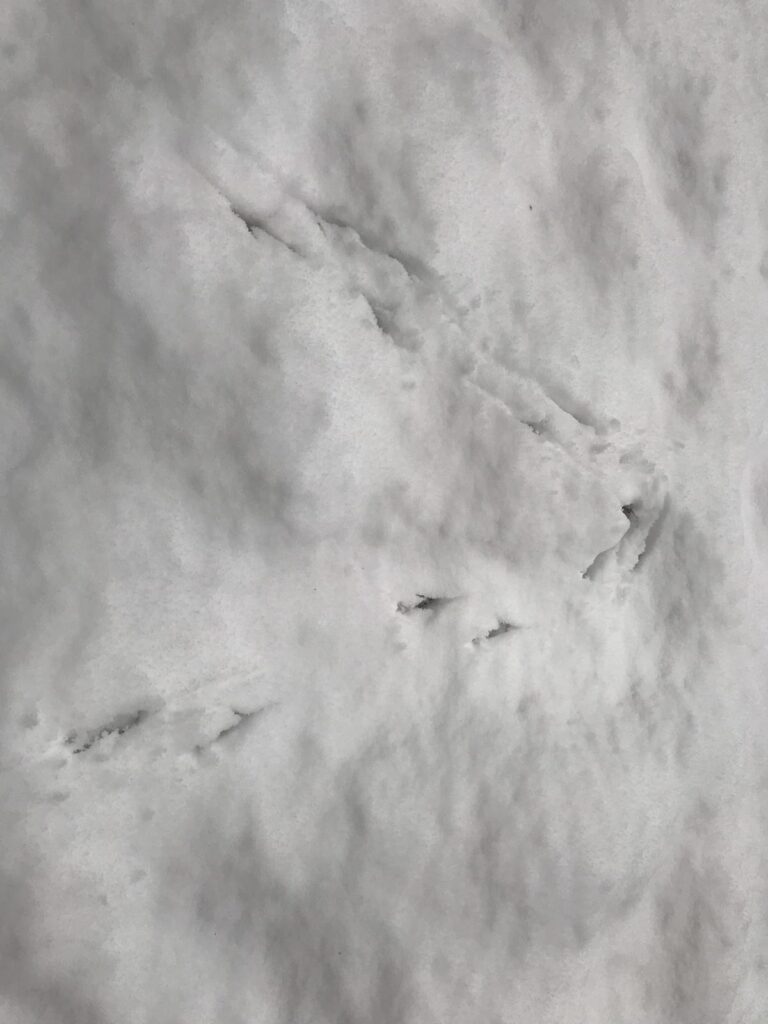
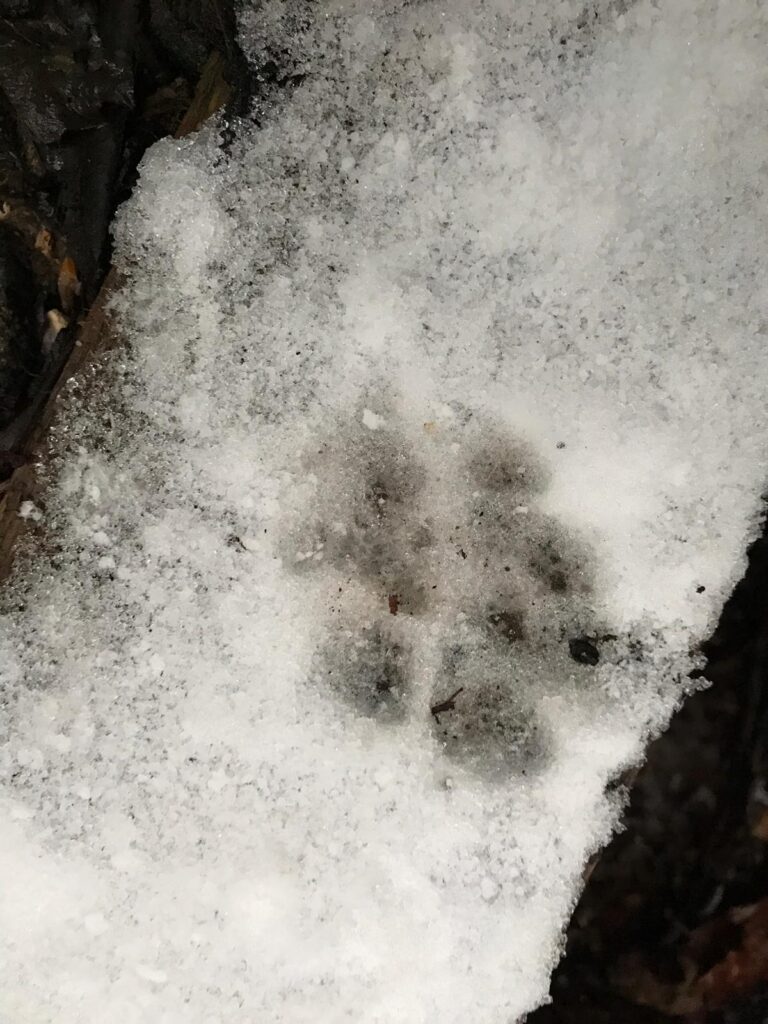

Most of our wildlife can cope with the cold but it will not survive without food and water. Some creatures hibernate when food supplies disappear, some migrate but many of our wildlife simply braves the winter with us.
Stop water freezing for your wildlife!
Food gives energy and energy is heat. Without energy they will not survive. Extreme weather can prevent our wildlife from finding its natural food. In extreme weather birds and wildlife will need feeding as in many cases their food supply will be unavailable.
Nuts, fat balls, seeds meal worms, and fatty bread are all a good source of energy for both birds and squirrels but water is essential. To stop water being frozen we use heat pads under metal water bowls, they can last for several hours in a sheltered location. Birds will use nesting boxes, garages, porches and sheds for shelter and it may be possible to leave these open or create small holes for them to access these areas.
Waterfowl not only drink the water they swim in but also feed in it. Frozen ponds will prevent them from finding food or water. Breads, seeds, lettuce and meal worms will help them survive along with water taken along in a bucket if the pond is frozen.
Foxes, badgers and hedgehogs eat lots of earthworms and beetles and none of these will be available through the frozen ground. They would all benefit from peanuts and dog food. Badgers will be grateful for hay used for their bedding and you can just leave it outside their setts.
Some hedgehogs don’t hibernate and many wake through the winter period so please be vigilant for them as they will be back to their summer feeding locations. (For more info on hedgehogs go to www.gracethehedgehog.co.uk)
Deer will eat goat food and rabbit mix. Deer are often unable to find the grass and shoots they need under snow.
If you are concerned about specific creatures please do not hesitate to contact us for advice and help on all aspects of wildlife care through this cold weather. Food and water are a matter of life and death to our creatures so please help them through this difficult time.
Please note that under normal circumstances we do not recommend feeding wild animals. This is in extreme weather only. Always go for the healthy option wherever possible and ensure your safety first.
When the ground is frozen it is hard for wildlife to find water. Many will perish. Here is a handy tip on keeping your water in your garden without it getting frozen.
Ponds are a fantastic way of attracting wildlife into your garden and they create a permanent and temporary home for a wide spectrum of insects and amphibians. Even when the pond freezes over full life continues underneath. Many amphibians hibernate in the sludge at the bottom of the pond. Most amphibians are equipped for this temporary freeze. If the weather is harsh and prolonged the freeze can sometimes trap harmful gasses below the ice.
Do not attempt to smash the ice on your pond. To create a hole in your frozen pond place a bottle filled with hot water on the ice and it will slowly melt a hole and allow any trapped gasses to release. Balls in the water often prevent freezing too. If this is carried out daily in extreme weather it can be very effective. During short freeze periods your pond life will normally be fine.